AI moodboards · MCP + Claude

Describe
the shoot.
Claude builds
the board.

Cobalt has a first-class MCP server, so you can connect Claude — in Claude Desktop, Claude Code or claude.ai — and make a moodboard by chatting. Ask for the references, the columns and the notes; Claude builds the board while you talk.

Works with Claude, OpenAI Codex, Cursor & any MCP client

You
Pull 8 references for a cyberpunk street-runner shoot and group them into columns — wardrobe, neon lighting, location.
Claude
On it. Creating the board and three columns, then adding references.
  • [✓] create_board "Cyber-runner"
  • [✓] create_column ×3 — wardrobe · neon lighting · location
  • [✓] add_image ×8 references
  • [✓] create_element — a note per column
01 — Build it with AI

A moodboard, from one message

Name the look and the structure — "eight winter-editorial references, columns for wardrobe, lighting and location" — and the assistant creates the board, sorts the columns, pulls the reference images and writes a note in each. You stay in the chat; the canvas fills itself.

02 — The share link

Send the finished board, no login needed

Once the assistant has built the moodboard, share it with one link. Your model, client or crew opens it in any browser — no account, no app, no sign-up — and can add their own references back if you turn on contribute mode.


Prompt to board

One sentence in,
a finished board out.

Connect Claude to Cobalt over MCP, then talk to it like you'd brief an assistant. It calls the same tools you'd use by hand — it just does it in seconds, across the whole board, from a single prompt.

Claude MCP · building your board

Cyber-runner — references

From a single message, the assistant creates the board, lays out the columns, pulls the references and drops a direction note into each one. Review it, keep what works, then share the link.
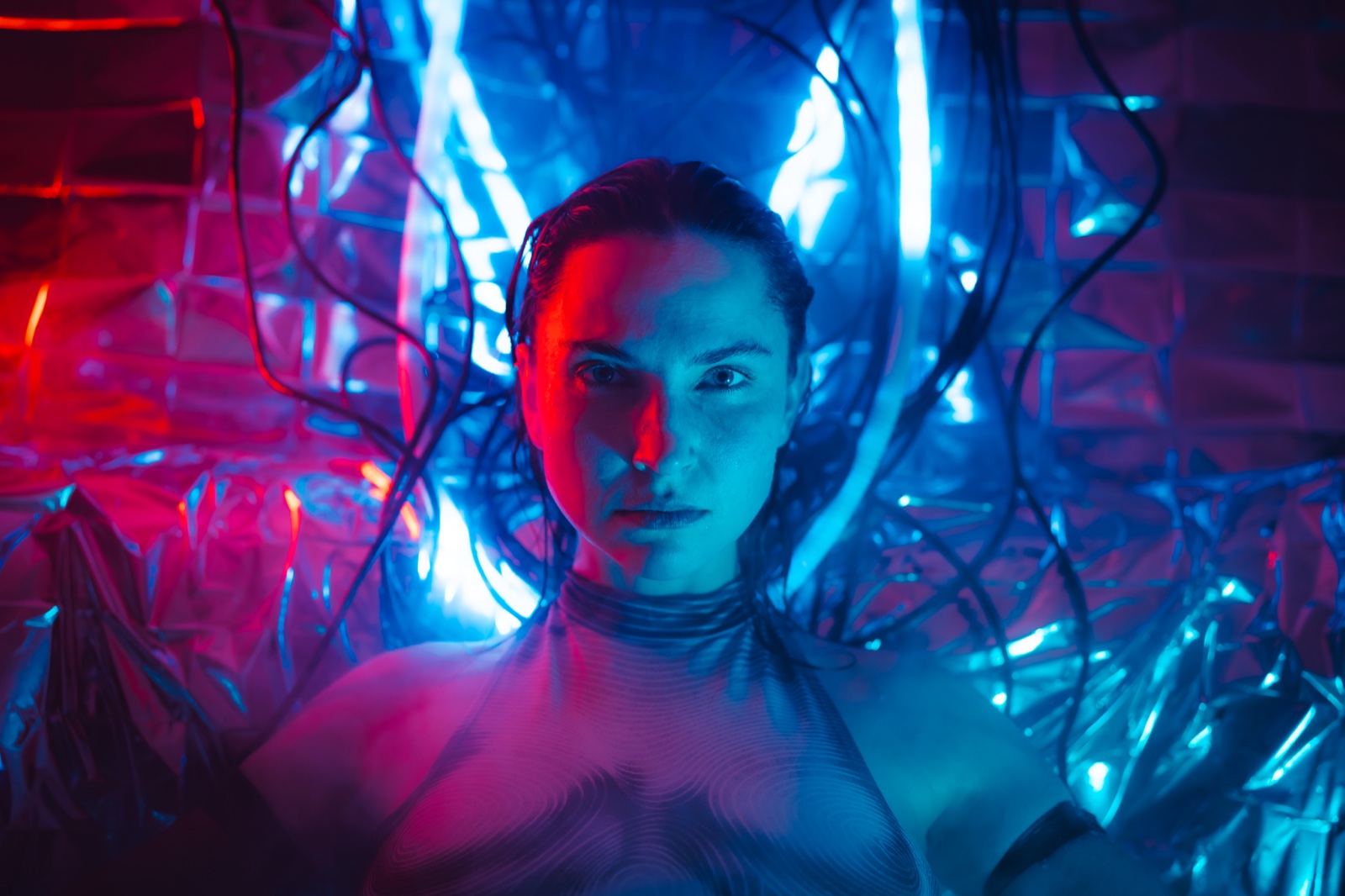
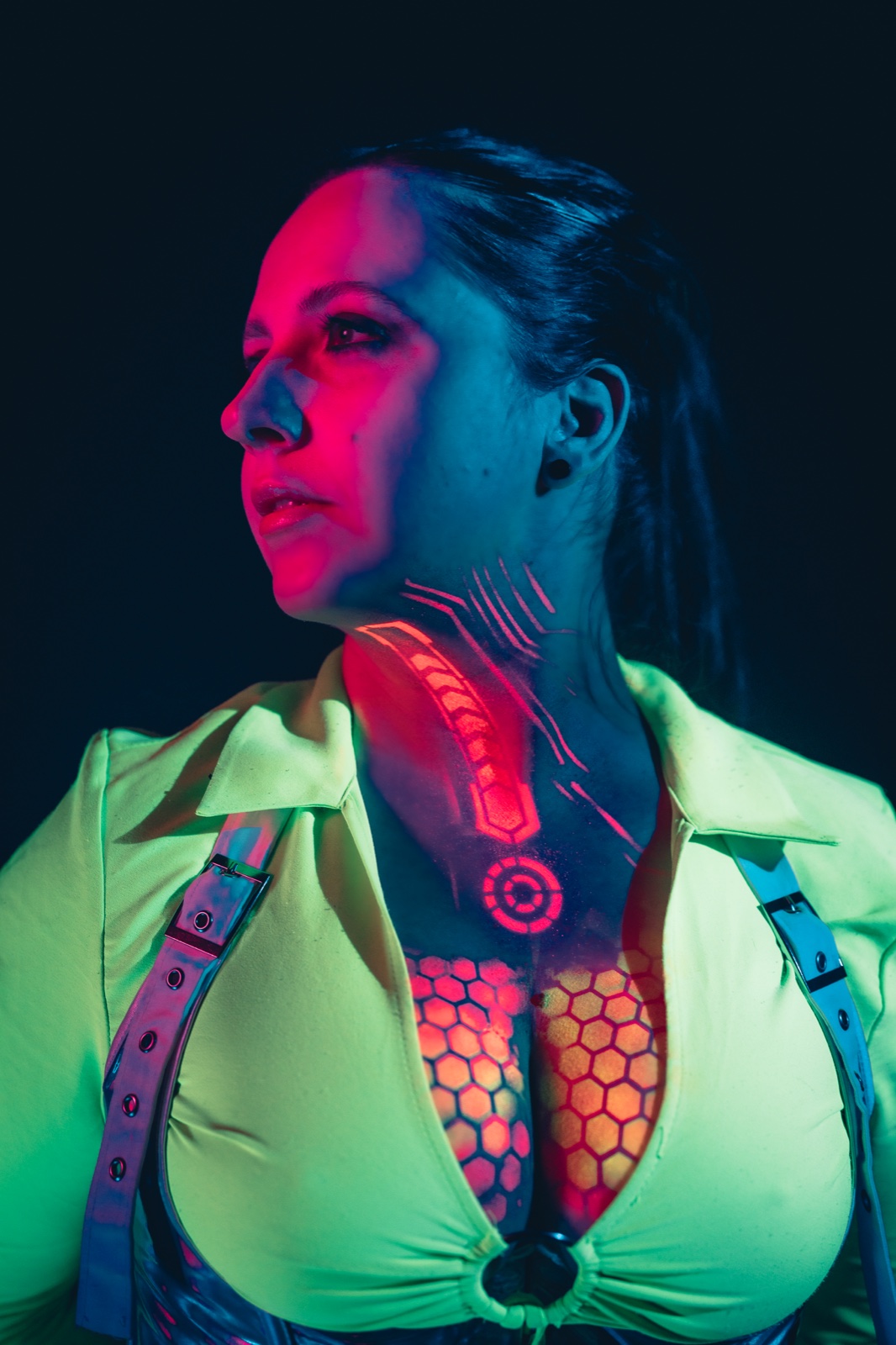
> "Build a moodboard for a cyberpunk street-runner shoot — columns for wardrobe, neon lighting and location, eight references, and a one-line direction note in each column."
1 board  ·  3 columns  ·  8 references added by Claude Made with Cobalt · Create yours →

Connect in minutes

Paste your token into any MCP client, or connect via OAuth on claude.ai. A step-by-step walkthrough lives at the in-app MCP guide — no plugins, no scripting.

Structure, not just images

The assistant doesn't just dump pictures — it builds the layout. Ask for columns by wardrobe, lighting and location, and it organizes references and notes into the structure you described.

Search your whole library

Ask "find every reference I saved for a film-noir portrait shoot" and the assistant full-text searches across all your boards, then pulls the matches onto a fresh board for you.
What you can ask for

Real prompts,
real boards.

Real boards working photographers need. Each starts as one message to Claude and ends as a link you send to the crew.

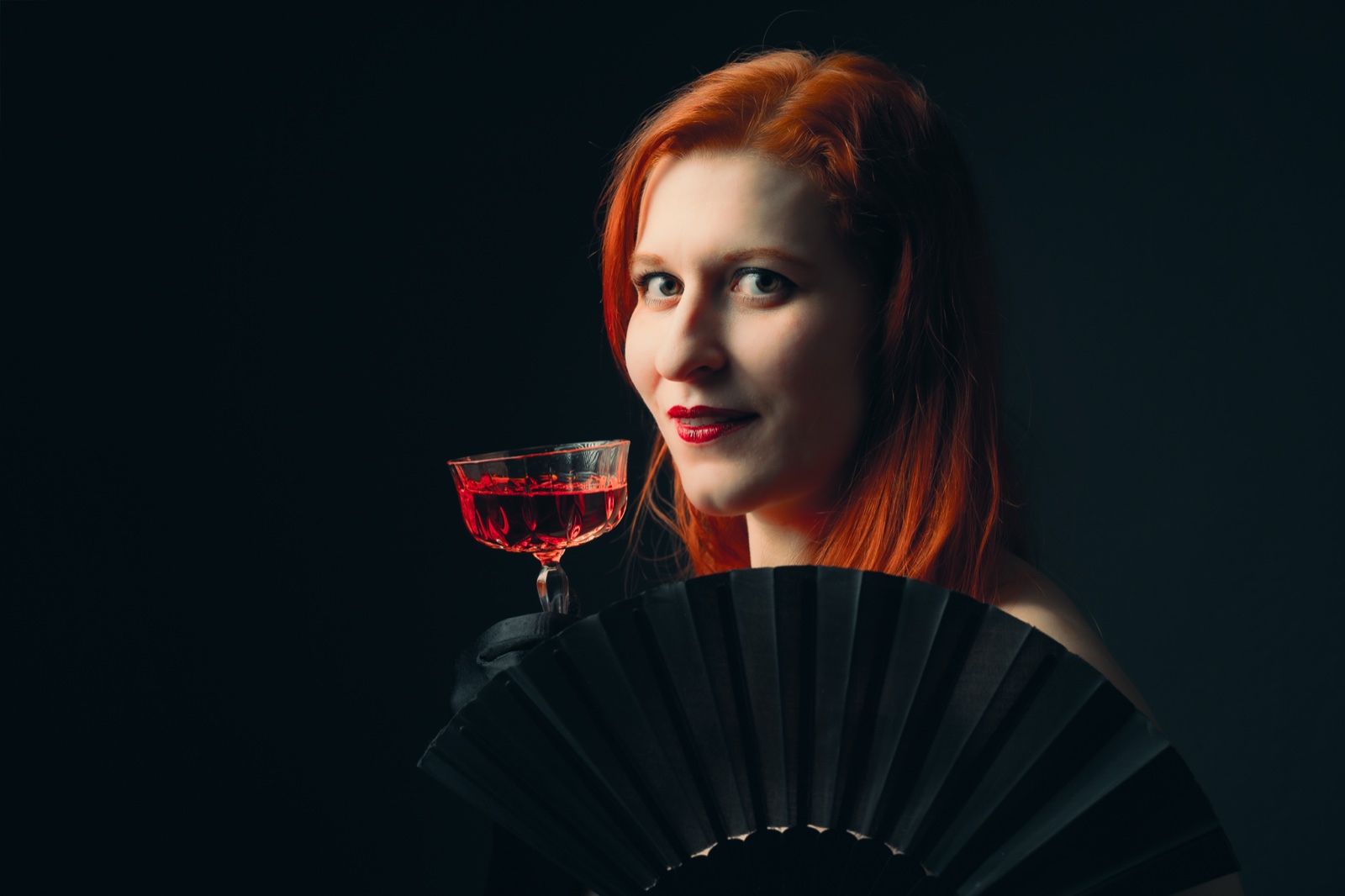
Film-noir portrait moodboard built by AI

"Build a film-noir portrait board"

Columns for lighting, wardrobe and expression. Claude pulls hard-light and venetian-blind references, low-key portrait examples and a styling note for each column — a complete brief before you brief the model.

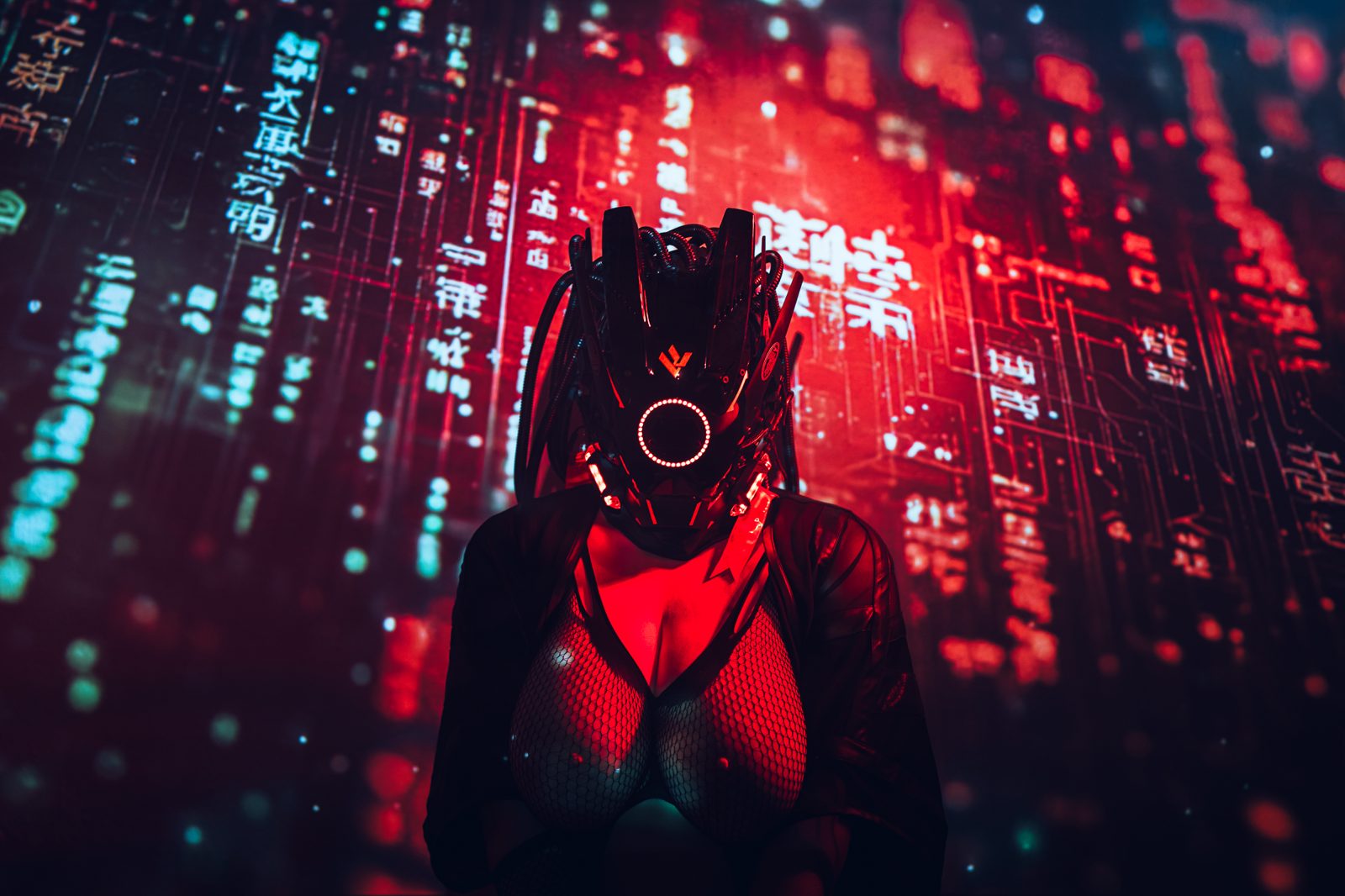
Neon cyber-portrait moodboard generated with Claude

"Plan a neon cyber-portrait shoot"

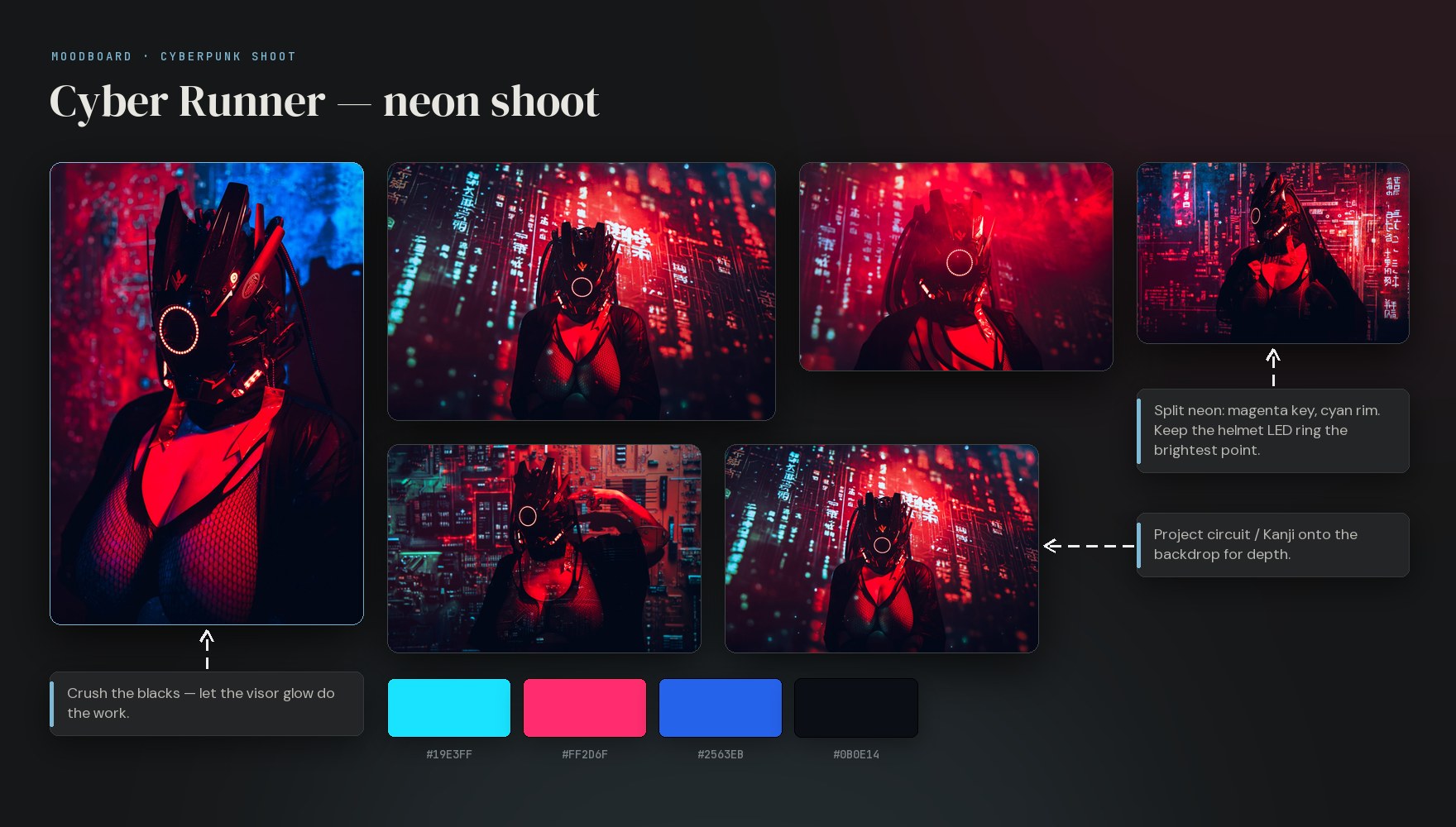
Ask for wardrobe, lighting and color-palette columns. Claude gathers tech-mask and circuit-backdrop references, pulls a magenta-and-cyan palette and writes a one-line direction note in each, so the whole team reads the same look.

Client moodboard organized by AI

"Turn this client brief into a board"

Paste a messy email of requests and let Claude organize it — columns for must-haves, nice-to-haves and references, notes pulled from the brief. Share the link back so the client can confirm before the shoot.

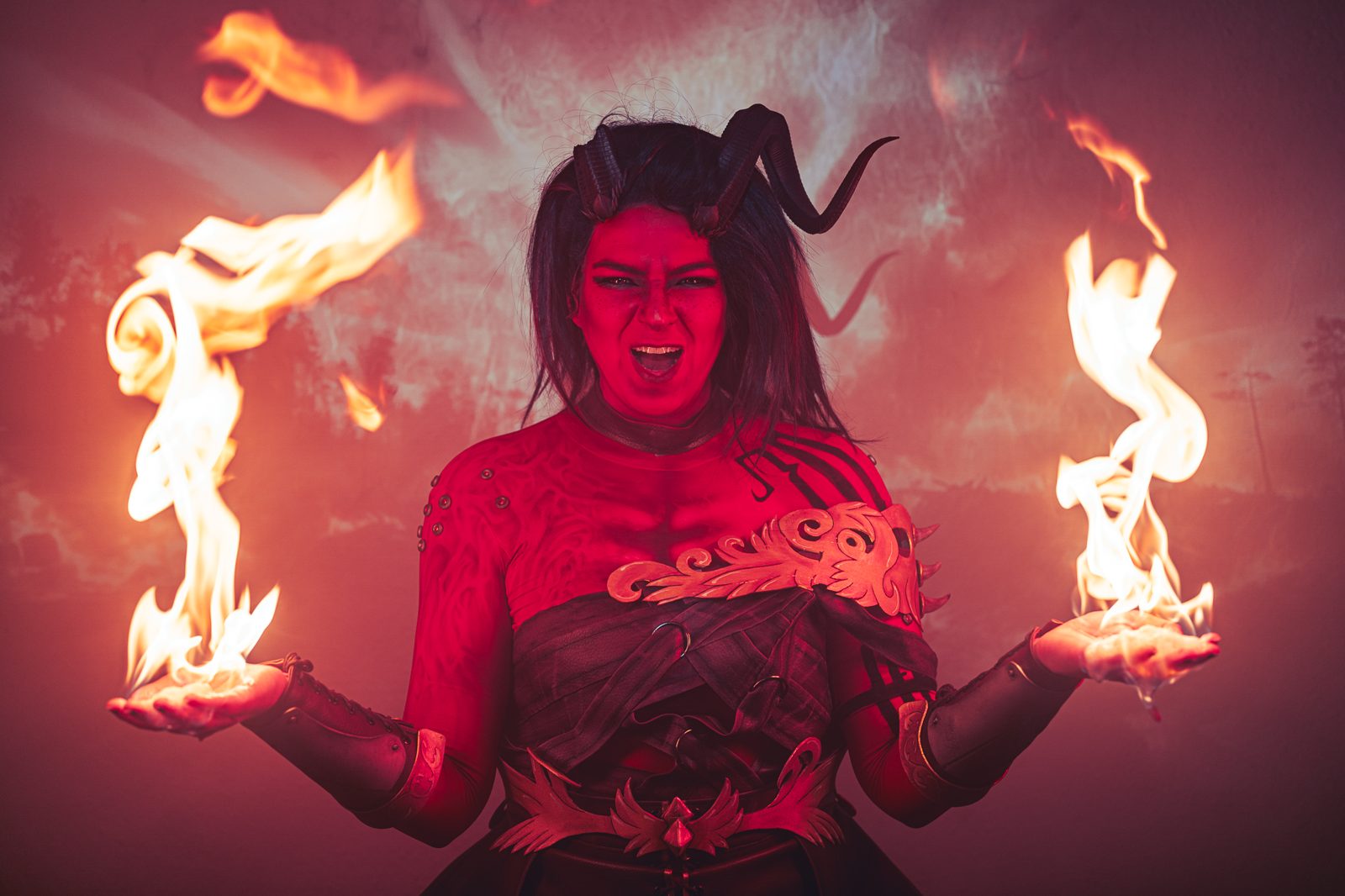
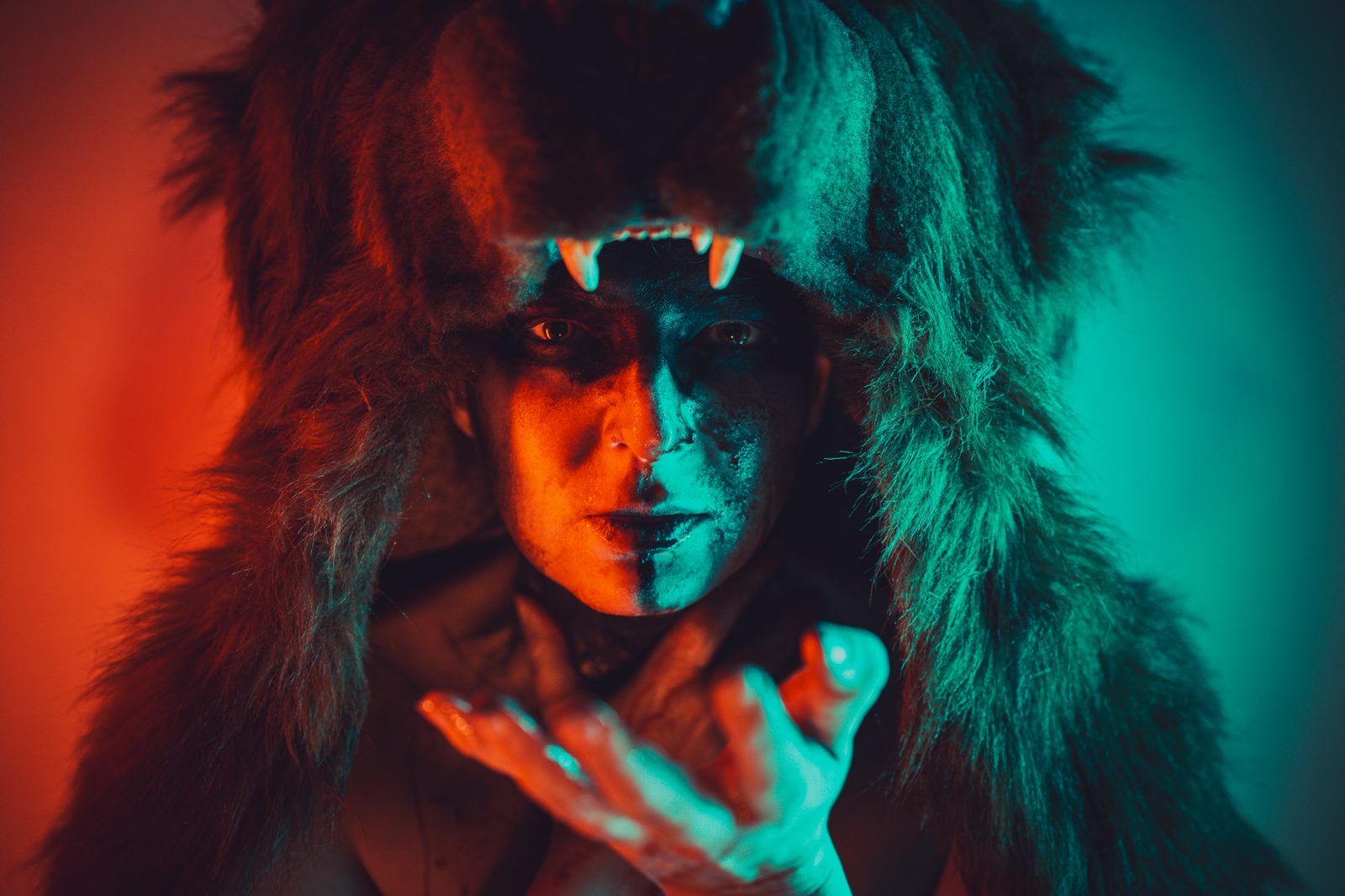
Horned tiefling fire-mage cosplay reference board built by AI via MCP

"Reference a horned fantasy-warrior cosplay"

Columns for armor, horns, makeup and props, eight references and a build note in each. Claude creates the board and fills it, then you send the link to your photographer or commissioner — no account on their side.


Works with Claude · MCP

The tools Claude
uses on your boards.

Cobalt exposes an MCP server — the open protocol AI assistants use to work with external tools. When you ask for a board, the assistant calls these tools directly. Same actions you'd take by hand, run in seconds from one conversation.

A moodboard built in Cobalt by Claude over MCP — reference photos, direction notes, connector arrows and a color palette, generated from a single chat prompt

Connect once,
then just talk.

Add your token in Settings or connect via OAuth on claude.ai, and the assistant can act on every board you own. Describe a shoot and it creates the board, lays out columns, pulls royalty-free reference images from vetted libraries (Pexels, Pixabay, CC0 museum collections), writes notes, and moves cards around — all without you leaving the chat.

Cobalt speaks plain MCP, so any MCP assistant can drive your boards — Claude, OpenAI Codex, Cursor, VS Code or Google Antigravity. Claude connects in one click (OAuth on claude.ai); other clients use your Cobalt token and server URL.

New to it? The in-app guide walks you through connecting any MCP client step by step: app.cobalt.photos/help/mcp.

create_board create_column create_element add_image search move_element

Questions

AI moodboard FAQ.

Connect your AI assistant to Cobalt over MCP, then just describe what you want: "Pull eight references for a cyber-runner shoot and group them into columns for wardrobe, lighting and location." It creates the board, adds the columns, pulls in the reference images and writes a note in each — from a single message. You stay in the chat; the board fills itself.
MCP — the Model Context Protocol — is the open standard AI assistants use to work with external tools. Cobalt ships an MCP server, so any MCP client can drive your boards — Claude, OpenAI Codex, Cursor, VS Code or Google Antigravity. Claude connects in one click (OAuth on claude.ai); other clients use your Cobalt token and server URL. There's a step-by-step guide at app.cobalt.photos/help/mcp.
The assistant can create boards and columns, add notes, links and reference images (up to 25 MB per image), move and rename cards, and full-text search your whole reference library — all through the MCP tools create_board, create_column, create_element, add_image, search and move_element. Uploads count against your storage quota (200 MB free).
Yes. Ask the assistant to gather references for a look — "film-noir portrait lighting," "brutalist concrete locations," "split-tone neon" — and it pulls royalty-free images from vetted libraries (Pexels, Pixabay, CC0 museum collections) straight onto the board, organized into the columns you asked for. You review, keep what works, and drop the rest.
Every Cobalt board shares with a single link that opens in any browser — no account, no app, no sign-up for the person you send it to. So once the assistant has built your moodboard, you copy the link and send it to your model, client or crew, and they can even add their own references back if you turn on contribute mode.
Cobalt is a fully hosted service at cobalt.photos — nothing to install or maintain. We handle uptime, backups and updates. The app is invite-only right now; request access and sign in at app.cobalt.photos.

Free once you're in · cobalt.photos

Brief the shoot
in one chat.

Connect Claude to Cobalt and make your next moodboard by chatting — then share it with one no-login link. Cobalt is invite-only today; request access to get started.

Browser extension · Web clipper

Save refs as you browse.

The Cobalt web clipper (Chrome + Firefox) right-click-saves any image, link or text selection straight to a board — and keeps the source link for attribution. See the clipper →